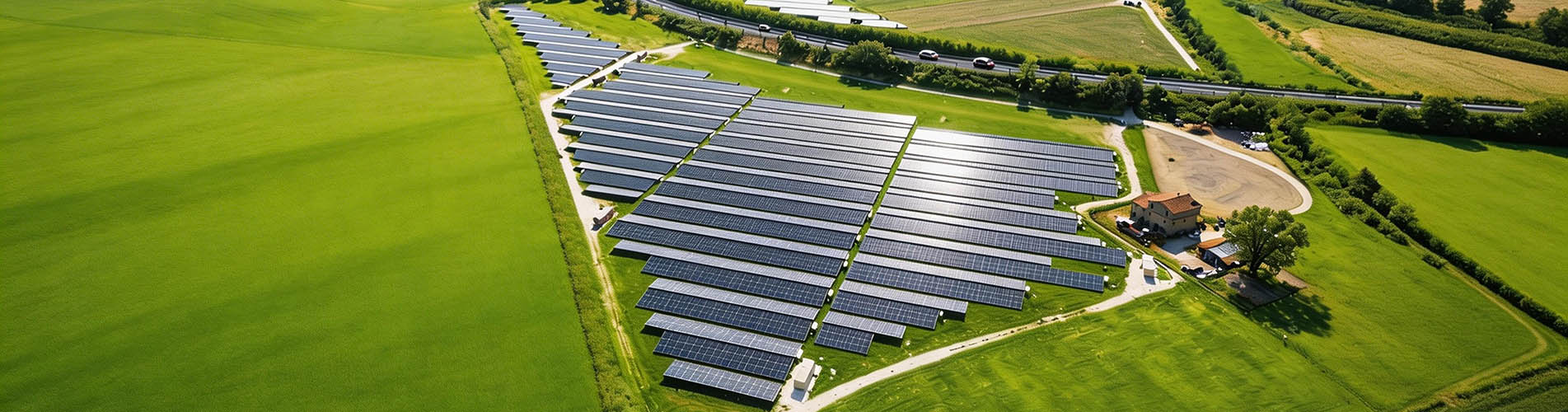
Recinzione solare verticale bifacciale: come può un pascolo delimitare un terreno e al contempo generare elettricità?

Autore
PROFENCE.ENERGY è stata fondata nel 2014 con l'obiettivo di progettare e produrre sistemi di montaggio per pannelli solari e prodotti correlati.
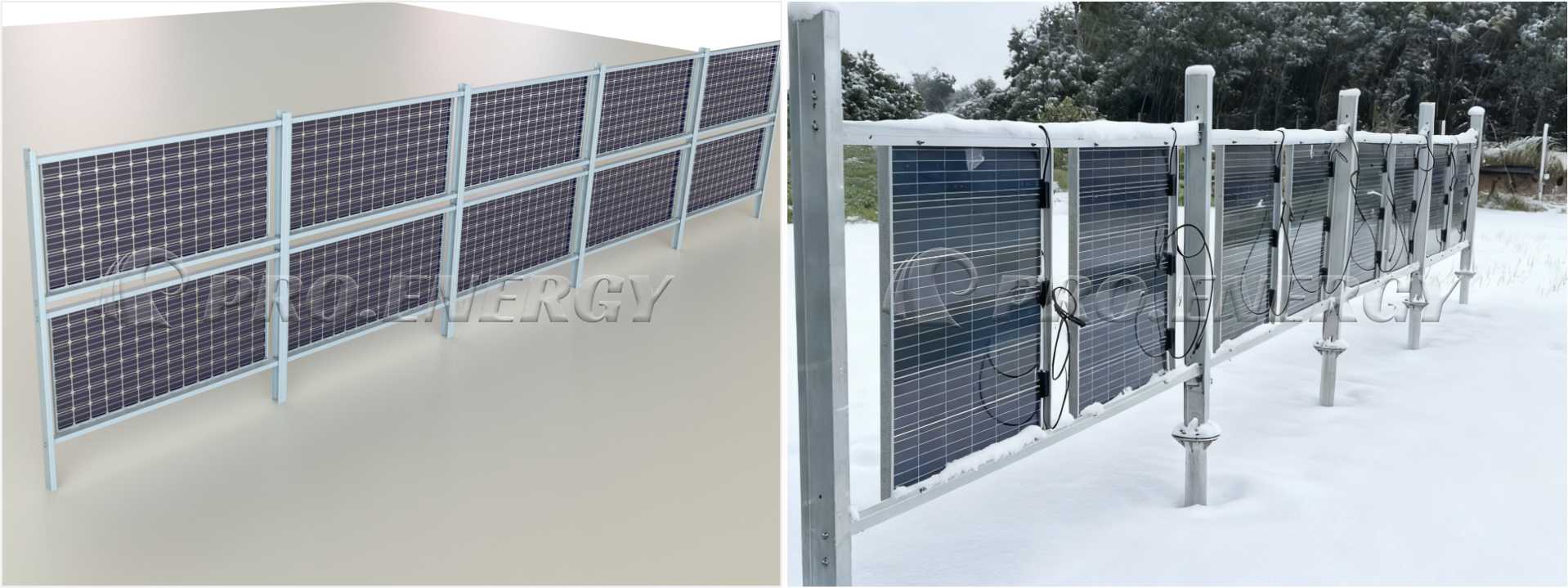
In agricoltura e nell'allevamento, le recinzioni rappresentano un'infrastruttura fondamentale. Le recinzioni tradizionali hanno una funzione pressoché univoca, principalmente quella di delimitare i terreni e proteggere il bestiame. La sostituzione delle recinzioni con un sistema solare bifacciale installato verticalmente consente sia la delimitazione dei terreni che la produzione di energia elettrica pulita, senza modificarne la destinazione d'uso. Questo modello "complementare agro-solare" sta riscuotendo sempre maggiore interesse tra le aziende agricole.
I. Elevata efficienza nella produzione di energia e risparmio di terreno
L'installazione verticale offre inoltre due vantaggi: in primo luogo, impedisce l'accumulo di neve, rendendola adatta all'uso invernale nelle regioni fredde; in secondo luogo, durante il mattino e la sera, quando la luce del sole è angolata, il lato verticale riceve una luce solare migliore rispetto al lato inclinato.
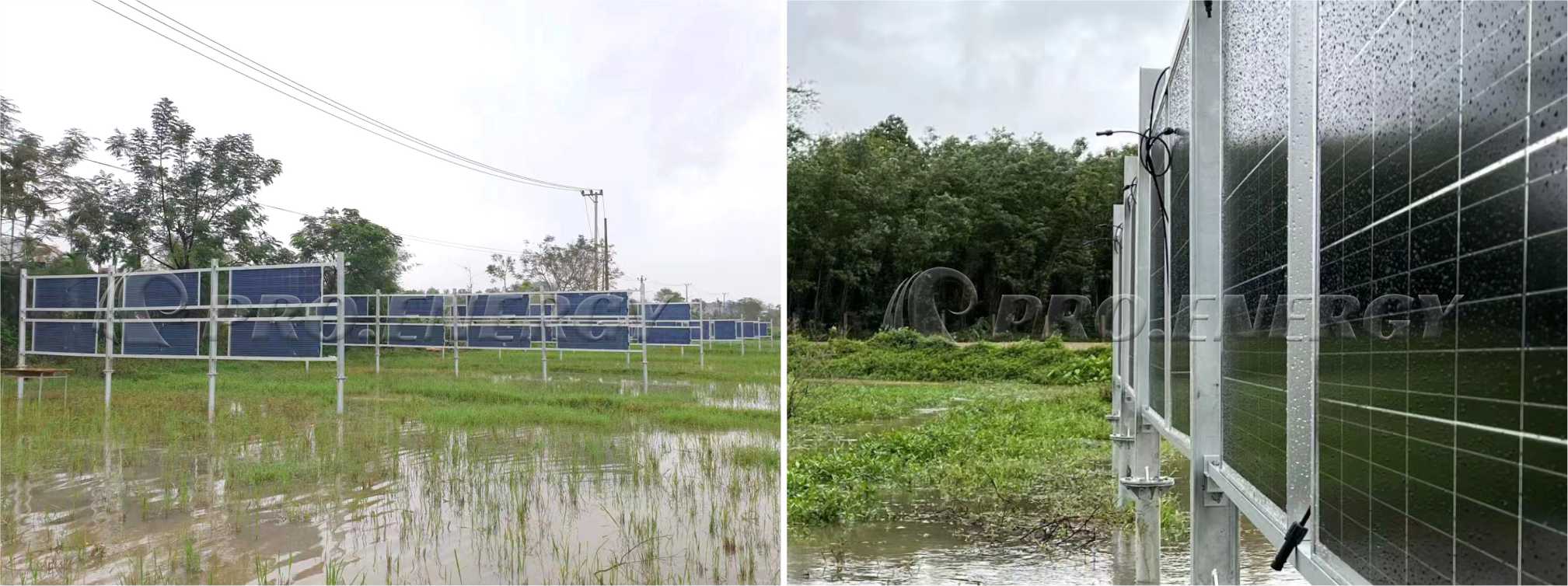
Strutturalmente, il telaio principale è realizzato in acciaio al carbonio Q355/Q235 di alta qualità, con opzioni di protezione superficiale dalla corrosione che includono zincatura a caldo (≥80μm) o rivestimento in zinco-alluminio-magnesio (ZAM), resistendo alla corrosione da letame, fertilizzanti e ambienti umidi, ed essendo adattabile a diverse condizioni climatiche. La durata di vita prevista è di 25 anni.
II. Accesso senza ostacoli ai macchinari agricoli e minima occupazione del suolo
Un problema pratico che affligge molti progetti fotovoltaici in agricoltura è l'ombreggiamento e l'ostruzione: le fitte fondazioni su pali e le schiere di moduli inclinate possono impedire il passaggio di macchinari agricoli di grandi dimensioni come trattori e mietitrebbie. La struttura a recinzione verticale ottimizza questo aspetto: tra ogni due file di recinzioni viene riservato uno spazio libero di almeno 4 metri, consentendo a mietitrebbie, irroratrici, spandiconcime, ecc., di passare liberamente senza interferire con le operazioni quotidiane di pascolo, sfalcio e applicazione di pesticidi.
III. Installazione rapida e bassi costi di manutenzione
Le tradizionali staffe fotovoltaiche spesso richiedono tagli, saldature e livellamenti in loco, con conseguenti elevati costi di manodopera. La recinzione verticale, invece, utilizza un design preassemblato, con la maggior parte dei connettori già montati in fabbrica, richiedendo solo il fissaggio dei bulloni in loco. Anche la manutenzione post-installazione è relativamente semplice. La superficie verticale non accumula facilmente polvere e può essere pulita con l'acqua piovana; lo strato anticorrosione è sufficientemente spesso da non richiedere una verniciatura periodica. Connettori e guarnizioni devono essere ispezionati solo ogni pochi anni.
In sintesi, non ostacola l'accesso dei macchinari agricoli, occupa pochissimo terreno coltivabile, è resistente al vento e alla neve, alla corrosione ed è relativamente facile da installare e manutenere. Si tratta di una nuova opzione che coniuga praticità e vantaggi economici per gli operatori che progettano infrastrutture ai margini di ranch o aziende agricole.
- Come si può conciliare l'impermeabilizzazione con la sicurezza strutturale nella progettazione del sistema di drenaggio delle tettoie fotovoltaiche?
- Quali sono i vantaggi e le principali considerazioni progettuali delle tettoie solari impermeabili per auto?
- Tetti in metallo o tetti in tegole: quale soluzione è migliore per l'installazione di pannelli solari fotovoltaici?
- Sistemi di supporto a colonna singola o doppia: quale è più adatto al vostro impianto fotovoltaico?
- Guida per i visitatori della fiera autunnale PV EXPO 2026 e tendenze delle tecnologie complementari al fotovoltaico in agricoltura.
- Come si sceglie l'altezza da terra appropriata per un impianto agrivoltaico?